

Should You Repair or Rebuild an Aging Deck?
By STZ Construction · Updated
Learn which visible and structural conditions help determine whether an aging Wilson-area deck needs targeted repairs or a broader rebuild.
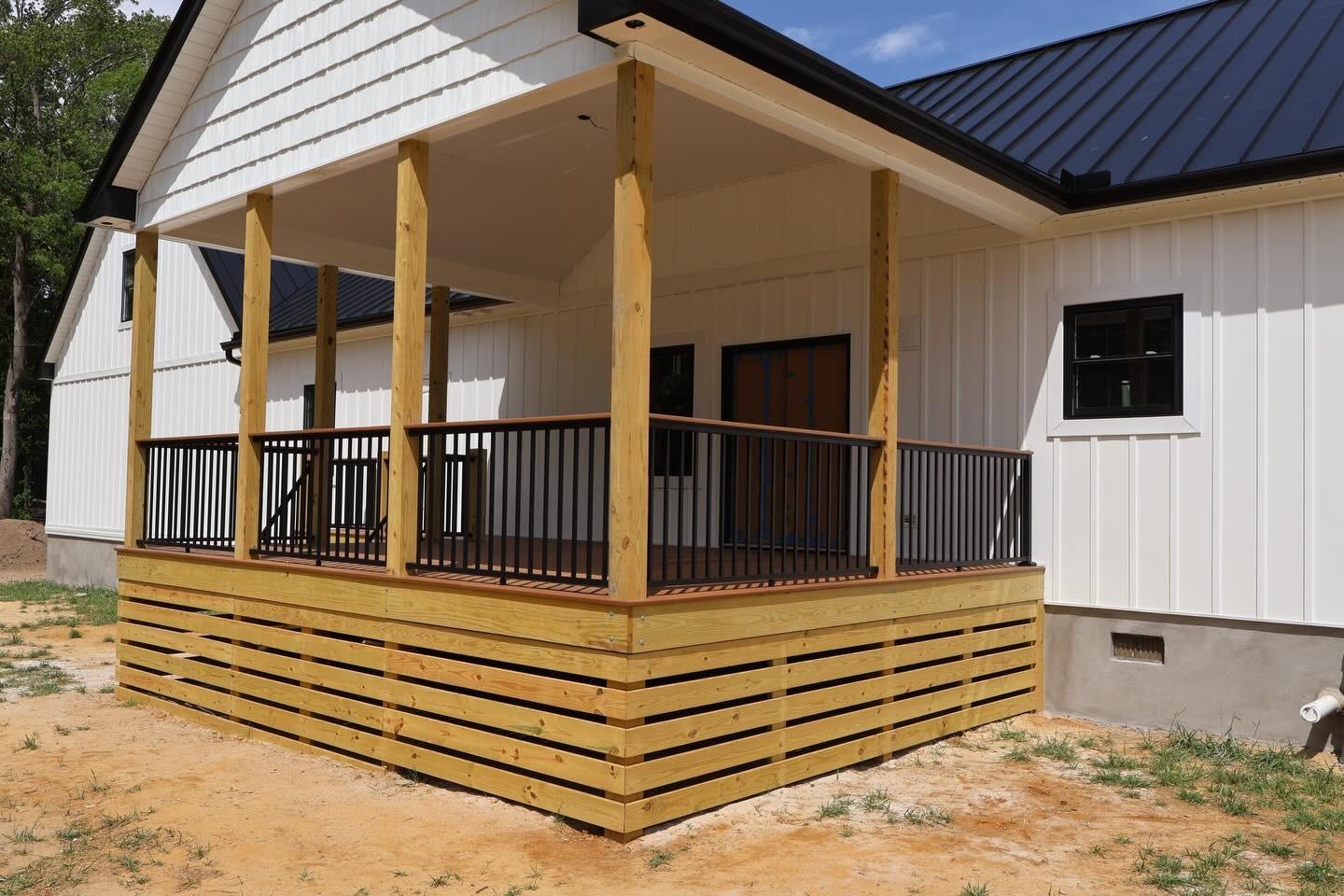
STZ Construction
Practical notes for planning the work before the first call.
An aging deck can present two very different projects. One may need a few boards, a corrected stair, and maintenance. Another may have a worn surface hiding weak framing, poor connections, or repeated moisture damage. The useful question is not simply whether the deck looks old. It is whether the structure, connections, and layout still provide a sound base for repair.
Around Wilson, NC and eastern North Carolina, outdoor wood faces heat, humidity, rain, sun, and long damp periods. Those conditions do not automatically mean a deck needs replacement, but they make moisture paths and ventilation especially important during an inspection.
Start below the surface
Deck boards are the easiest part to see, so they often receive most of the attention. Arrange an assessment of the supporting structure; do not use an unstable deck or go beneath questionable construction to inspect it. Joists, beams, posts, connections, and the ledger at the house carry the structure. Dark staining, softness, splitting near fasteners, rusting hardware, and places that stay wet deserve a closer look.
Movement is another clue. A deck that bounces, a railing that shifts, or stairs that feel loose may need more than new surface boards. The cause could be a local connection or a wider framing issue. Avoid assuming that a cosmetic repair will correct movement until the support system has been evaluated.
When a focused repair may make sense
A repair is more practical when damage is limited and the surrounding structure remains sound. Examples may include isolated deck-board damage, a small section of trim, a railing connection that can be properly reinforced, or a stair component that can be replaced without rebuilding the entire flight.
The repair should still address why the damage occurred. Replacing one soft board without improving trapped water, debris buildup, or a failed detail can lead to the same problem again. Ask how new materials will tie into the existing deck and whether the remaining structure has enough useful life to justify the work.
Real STZ projects, real local context.
Start Similar Work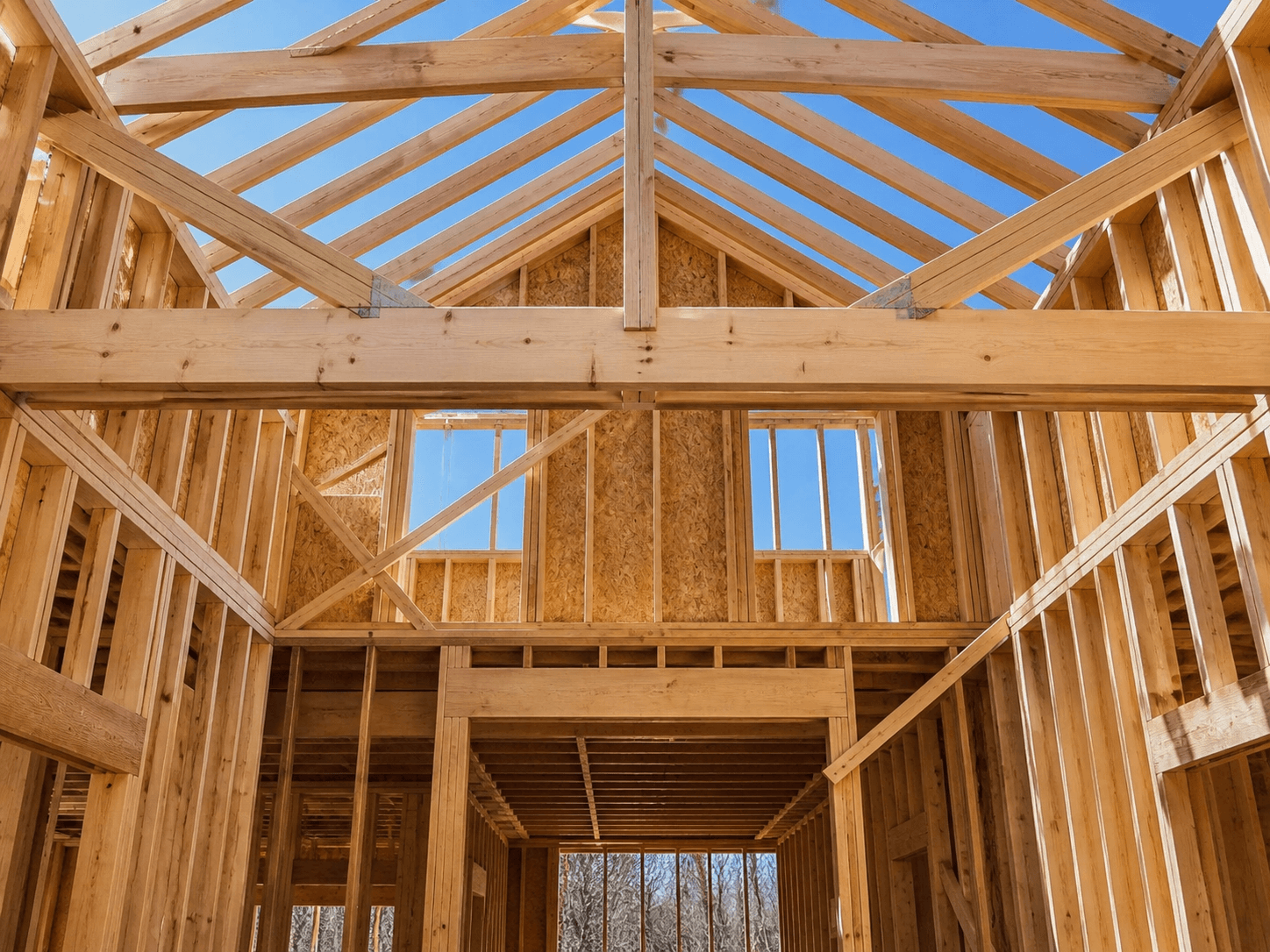
New construction
Custom Home Framing
Wilson, NC
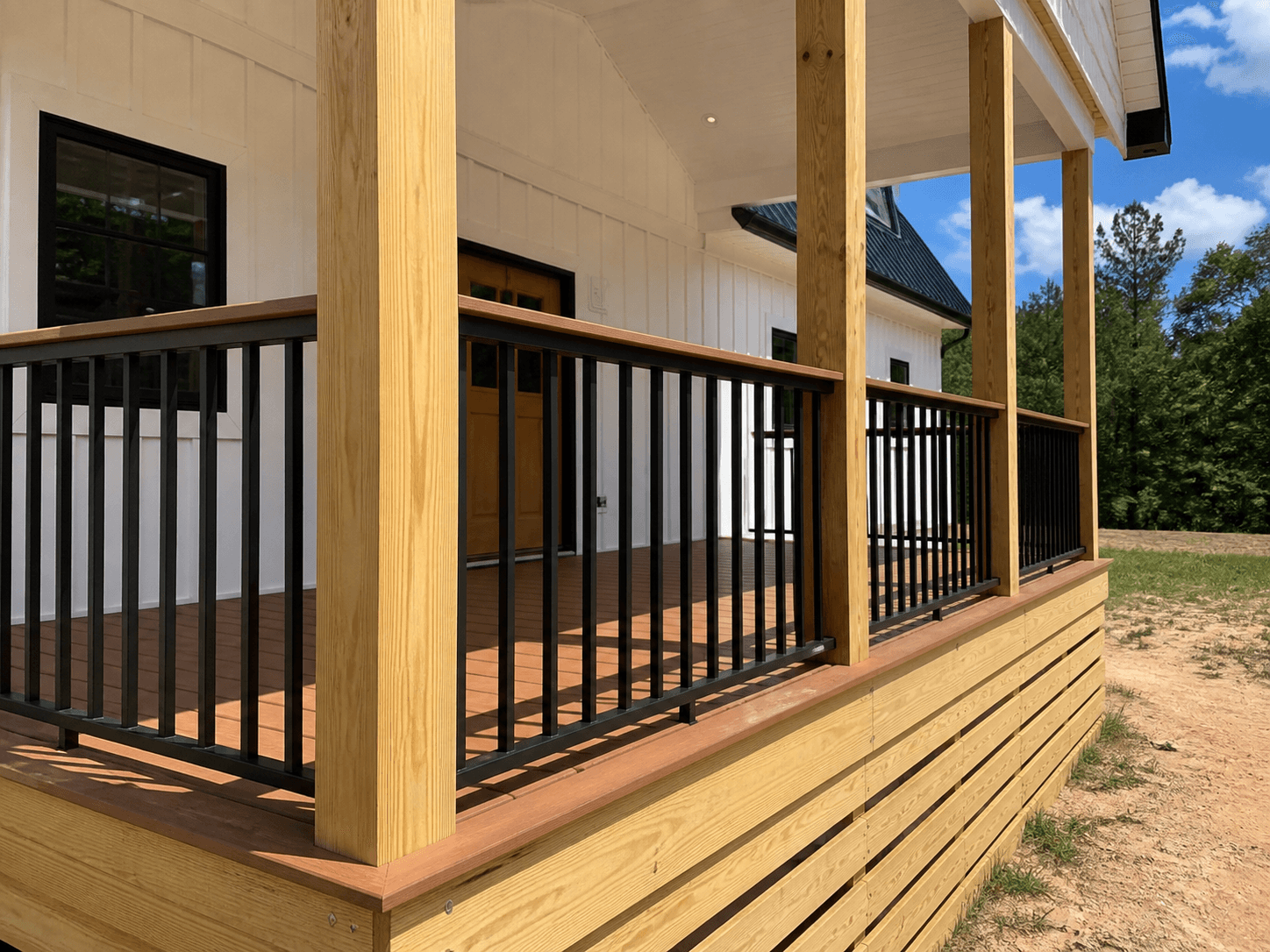
Outdoor living
Composite Deck
Elm City, NC
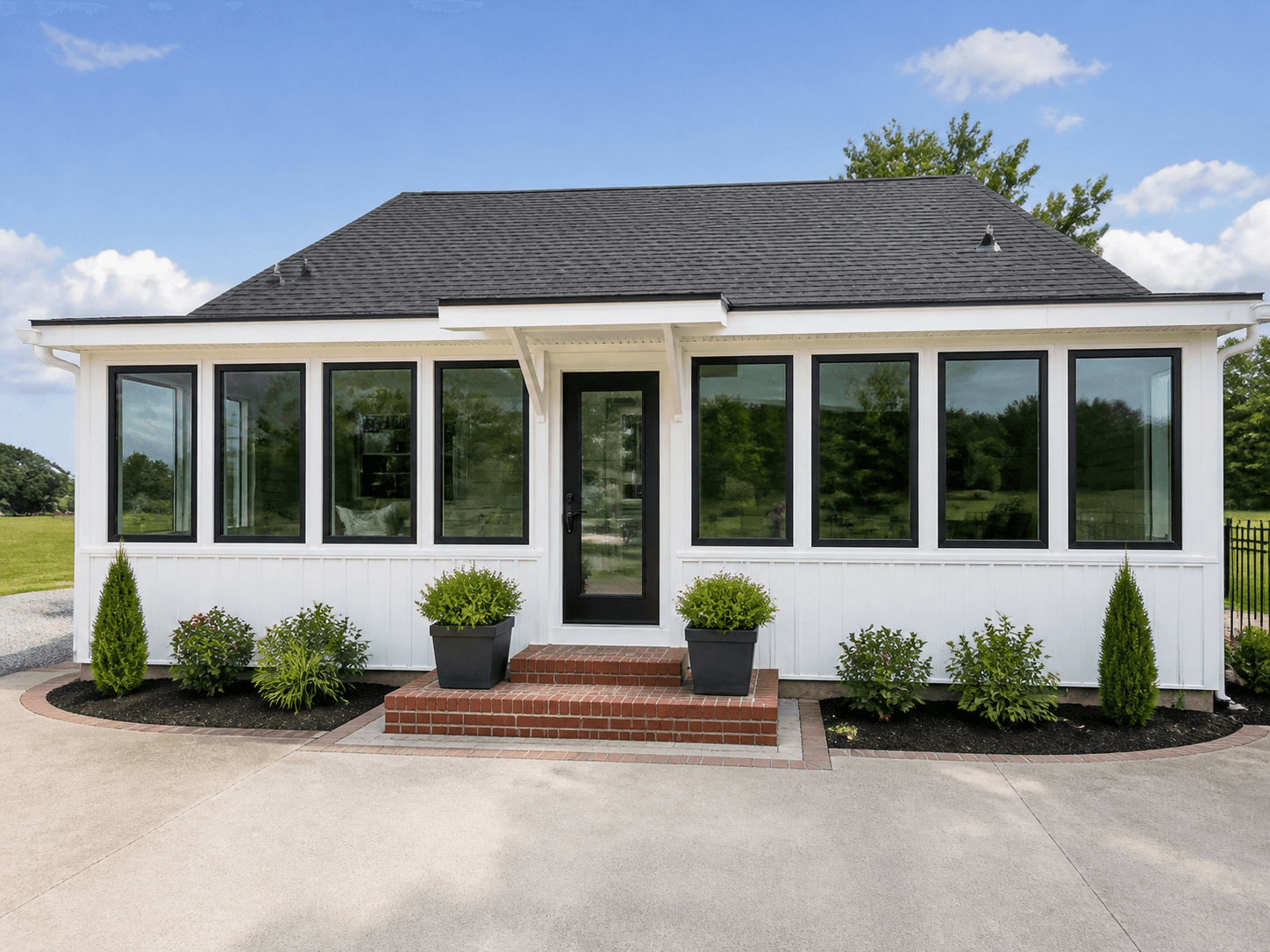
Windows and exterior
Sunroom Makeover
Rocky Mount, NC
When rebuilding may be the clearer choice
A broader rebuild may be worth discussing when damage appears in several structural areas, when the deck has widespread movement, or when the existing layout no longer works. Repeated repairs can become poor value if each one exposes another weak section or preserves a configuration the household does not enjoy.
A rebuild also creates an opportunity to reconsider stairs, traffic flow, gathering space, railings, and the connection to the yard. That does not mean every old deck should become larger or more elaborate. A simpler layout with clear structure and better drainage can be the more useful improvement.
Questions to ask during an inspection
Ask the contractor to separate surface condition from structural condition. A useful walkthrough should address:
- How the deck connects to the home
- The condition of joists, beams, posts, stairs, and railings
- Visible moisture paths and areas that stay damp
- The condition and compatibility of fasteners and connectors
- Whether a repair can be isolated cleanly
- Whether new decking is compatible with the existing framing layout
- Which conditions cannot be confirmed until boards are removed
Photos can help document hard-to-see areas and make the scope easier to understand. If there are unknowns, the estimate should explain how they will be handled rather than hiding them behind a single vague repair line.
Compare the complete scope
A repair estimate and a rebuild estimate may not include the same things. Review demolition, disposal, framing corrections, stairs, rails, flashing, decking, trim, cleanup, and finish expectations. A low number can be misleading if it prices only the visible boards while leaving structural or water-management work undefined.
Material choices should follow the structural plan. Composite or pressure-treated decking cannot correct weak supports below. If the existing frame can be reused, confirm that its spacing, condition, and layout fit the selected surface product and fastening system.
Choose the option that solves the whole problem
The right scope should leave the deck stable, comfortable, and suited to how the household uses it. For some homes, that means a limited repair completed at the right time. For others, a rebuild avoids spending repeatedly on a structure that is already at the edge of practical repair.
Before the first visit, note where the deck moves, where water collects, and which areas have already been patched. Those details help the contractor focus the inspection and give you a clearer explanation of the tradeoffs.