

Signs Your Home Exterior Needs Repair Before the Next Storm
By STZ Construction · Updated
What Wilson homeowners should look for around siding, trim, fascia, windows, doors, porches, and water-prone areas.
STZ Construction
Practical notes for planning the work before the first call.
Exterior home repairs often begin as small warning signs. A soft piece of trim, a loose siding panel, a dark stain under a window, an open caulk joint, or a sagging fascia board may not look urgent at first. In eastern North Carolina, those small openings can let water reach framing, insulation, drywall, subflooring, and interior finishes.
Wilson, Rocky Mount, Greenville, Goldsboro, Elm City, Lucama, Sims, and Kenly homes see hot sun, heavy rain, wind, humidity, and seasonal storms. That weather is hard on siding, fascia, soffit, window trim, porch posts, railings, exterior doors, and roof-edge details. A yearly exterior inspection can keep a manageable repair from becoming a larger reconstruction project.
Inspect the exterior before damage spreads
Walk the perimeter of the home slowly. Look for peeling paint, soft wood, swelling trim, cracked caulk, separated joints, loose siding, missing flashing, rusted fasteners, staining below windows, damaged fascia, and places where water splashes back from the ground. The most useful inspection is not rushed. Corners, transitions, and penetrations are where problems often start.
What are the most common exterior repair warning signs?
Watch for soft trim, peeling paint, loose siding, open caulk, water stains, swollen boards, damaged fascia, sagging soffit, window leaks, porch rot, and gaps where water can enter. These are common signs that the exterior needs attention before the next storm.
Should exterior repairs wait until after storm season?
Usually no. If siding, trim, fascia, windows, or doors already show water entry points, repairing them before heavy storms can protect the structure behind the surface. Waiting can turn a small repair into framing, insulation, or drywall damage.
Storm damage, water intrusion, or unsafe exterior work?
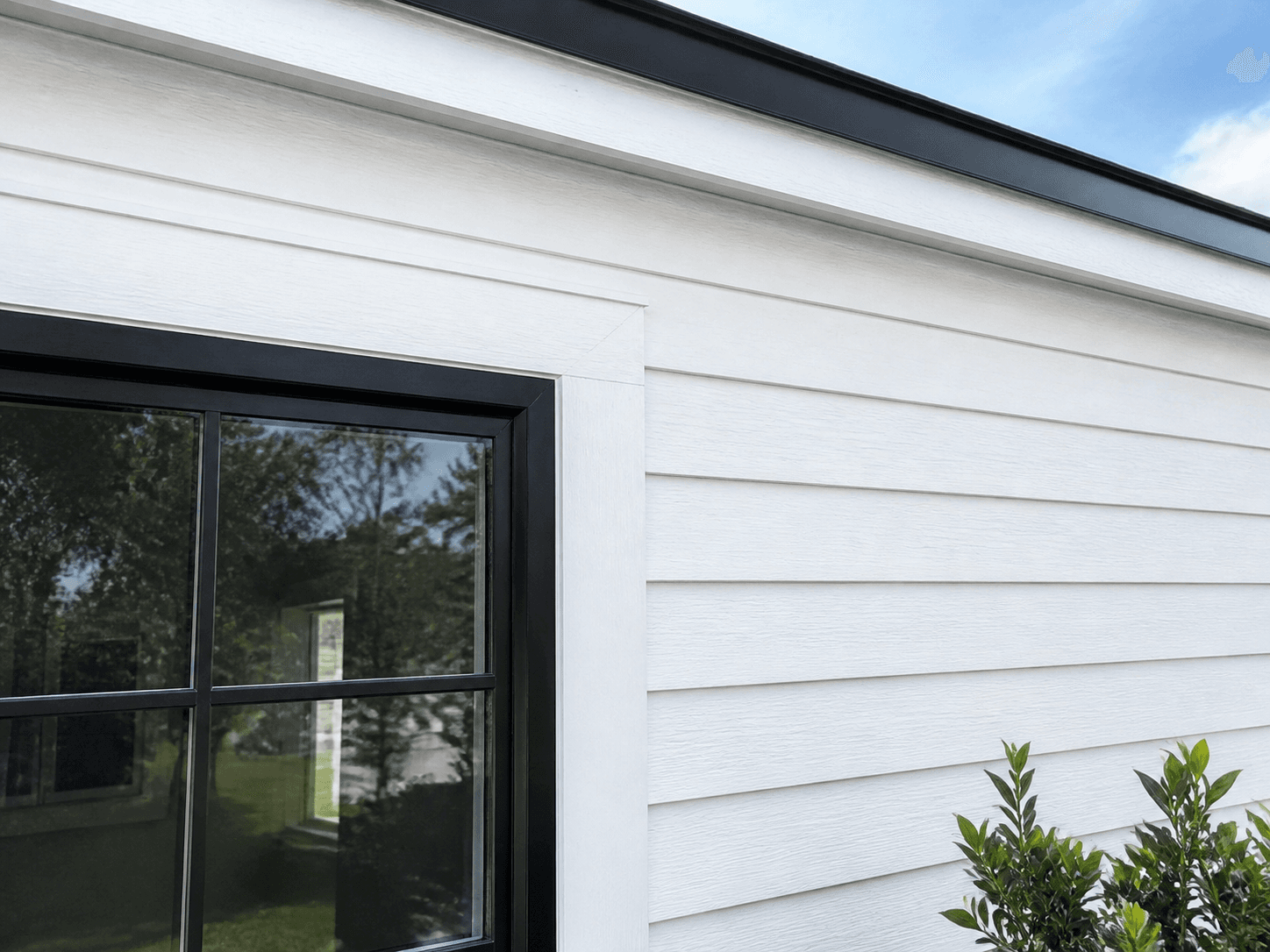
Window and door trim deserve special attention. Water often enters where trim meets siding, where caulk has failed, or where flashing was not detailed well. Staining below a window may point to a leak above or behind the trim. Simply painting over the stain does not solve the source. The damaged material should be evaluated, removed if needed, and replaced with a better water-shedding detail.
Fascia and soffit issues can also spread. Damaged fascia near the roof edge can invite water behind the gutter line. Soffit problems may affect ventilation or hide rot. If gutters overflow or pull away from the home, they can dump water exactly where trim and siding are most vulnerable. Exterior repair is often about the system, not one board.
How do I know if exterior trim is rotted?
Softness, swelling, cracking, flaking paint, dark staining, or boards that crumble when pressed are signs of rot. A contractor can inspect the area to determine whether the repair is cosmetic or whether hidden framing also needs attention.
Is fiber cement siding better than vinyl siding for repairs?
It depends on the home, budget, and repair area. Fiber cement can be durable and impact-resistant when installed correctly. Vinyl can be practical in many situations. The right repair should match the existing exterior and solve the reason the damage happened.
Porches, decks, and exterior stairs should be checked for movement. Wobbly railings, soft stair treads, loose posts, cracked stringers, and bouncing landings are safety issues as well as maintenance issues. Outdoor structures in humid climates need airflow, correct fasteners, sound framing, and details that keep water from sitting against wood.
Caulk and paint are not magic, but they are part of the defense. When properly used, they help shed water and protect joints. When used to cover rot, movement, or bad flashing, they only hide the problem for a while. A reliable exterior repair contractor should be able to explain what needs replacement and what can be sealed or painted.
What exterior repairs help protect home value?
Timely siding repair, fascia repair, trim replacement, porch repair, window and door trim repair, water damage correction, and storm damage repair all help protect curb appeal and the structure behind the exterior.
When should I call a contractor for exterior damage?
Call when you see soft wood, active leaks, loose siding, trim separation, fascia damage, porch movement, staining, or repeated caulk failure. If water has a path into the home, it is better to inspect it early.
Exterior repairs are not only about making the home look better. They protect framing, insulation, drywall, flooring, and indoor comfort. For Wilson-area homes, the best time to address siding, trim, fascia, porch, and window issues is before wind-driven rain tests every weak spot.
Discuss the next step
Explore STZ's exterior repairs and request an estimate with your project location, priorities, and photos.
For related planning advice, read deck structure and moisture details.