

What Makes a Deck Feel Solid Underfoot
By STZ Construction · Updated
Deck comfort starts below the boards with framing, posts, beams, connectors, fasteners, stairs, railings, and moisture details.
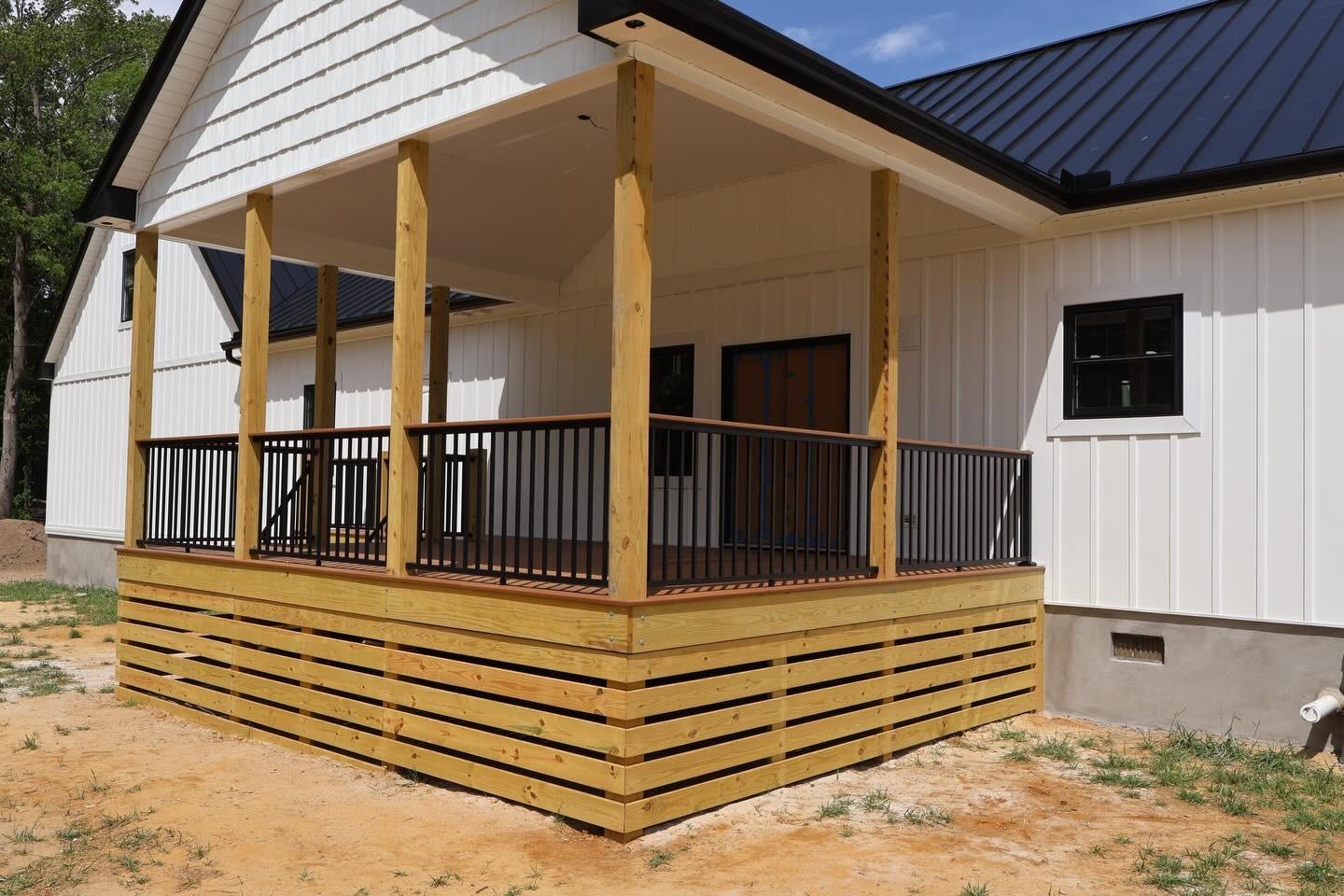
STZ Construction
Practical notes for planning the work before the first call.
If a deck feels bouncy, first note where you feel it. Movement in one board, flex across several boards, a loose stair or rail, and a whole deck that sways are different symptoms. The condition of the framing and connections matters as much as the surface you walk on. If the deck, stair, or railing feels unsafe, keep people off it and arrange an assessment.
In Wilson, NC, rain and humidity make water management worth discussing alongside framing and hardware. Tell your deck builder whether movement is new, whether it changes after rain, and what has already been repaired. For questions about the gaps you see between boards, read the deck board spacing guide.
Look at the structure below the deck boards
A solid deck begins with layout. The size of the deck, height from grade, span between supports, stair location, railing requirements, and how the deck attaches to the home all influence the framing plan. Larger gathering spaces need a different structure than a small grill landing. Covered porches introduce different loads and details than open decks.
Why does my deck feel bouncy?
A deck can feel bouncy because of long joist spans, undersized framing, poor blocking, weak connections, loose fasteners, aging lumber, or movement at posts and beams. A contractor should inspect the structure below the boards, not just the decking surface.
What makes a deck feel solid?
Proper joist spacing, correct beam and post layout, strong connections, good blocking, stable stairs, secure railings, ledger flashing, and moisture control all help a deck feel solid underfoot.
Real STZ projects, real local context.
Start Similar Work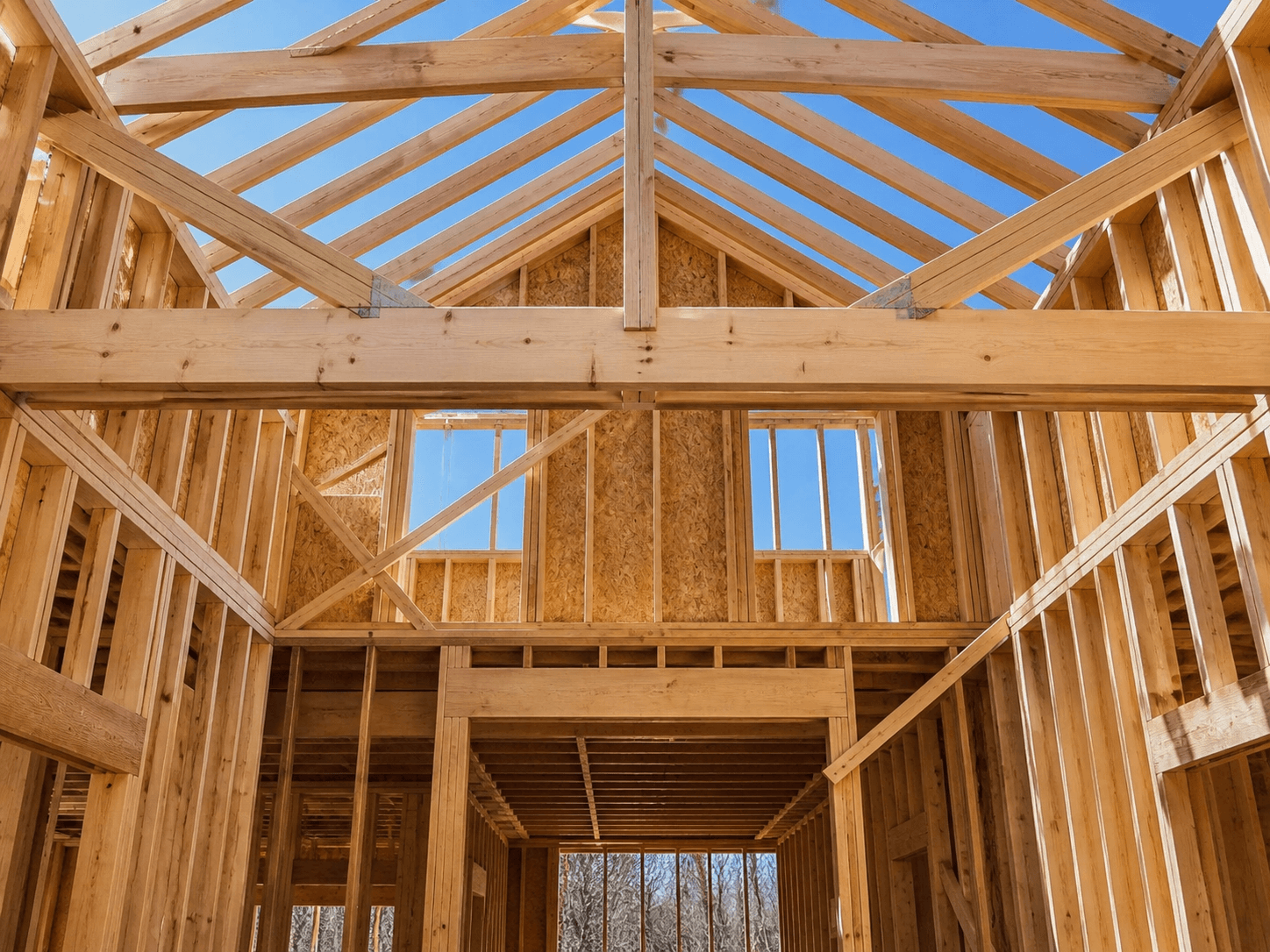
New construction
Custom Home Framing
Wilson, NC
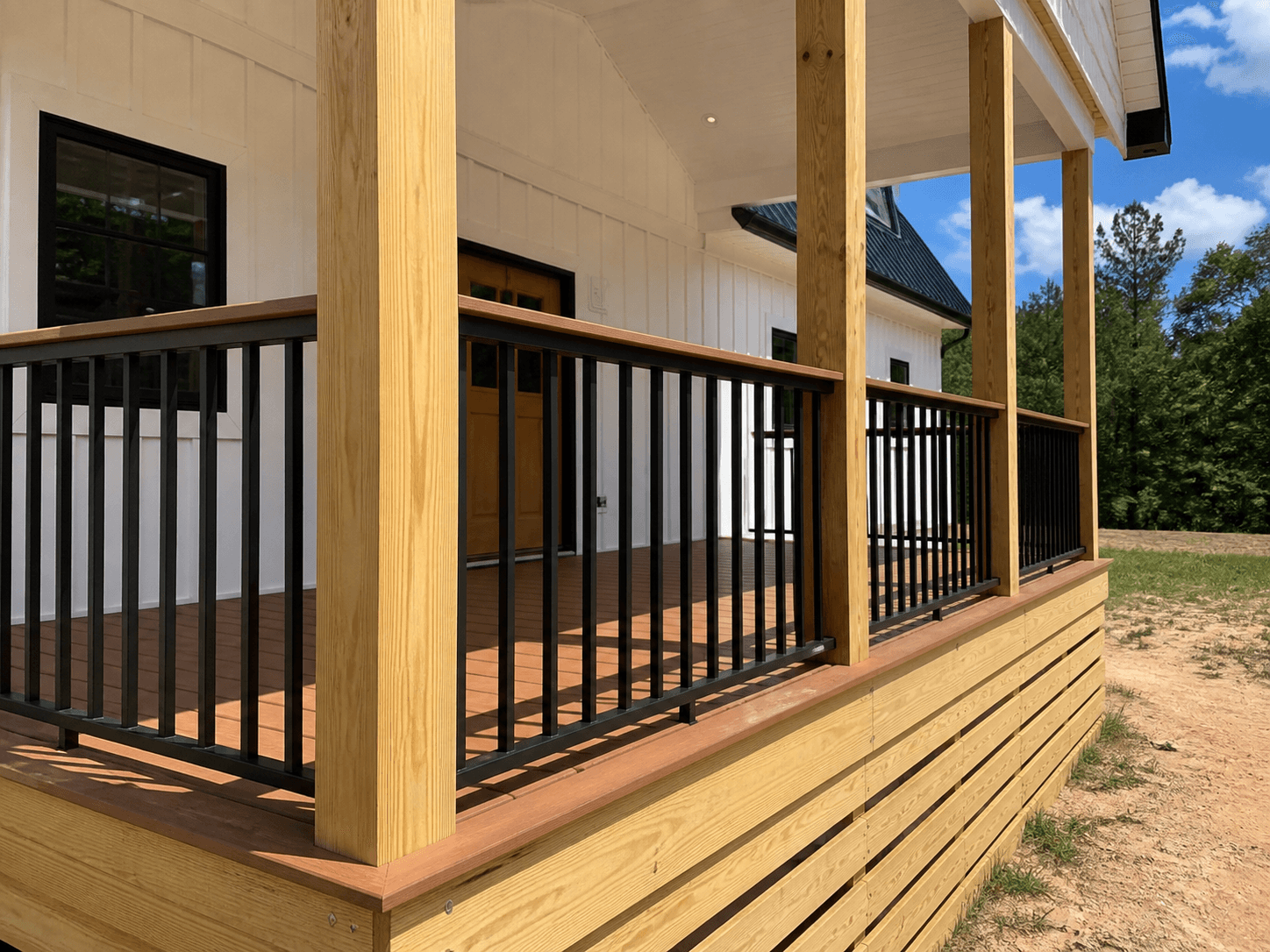
Outdoor living
Composite Deck
Elm City, NC
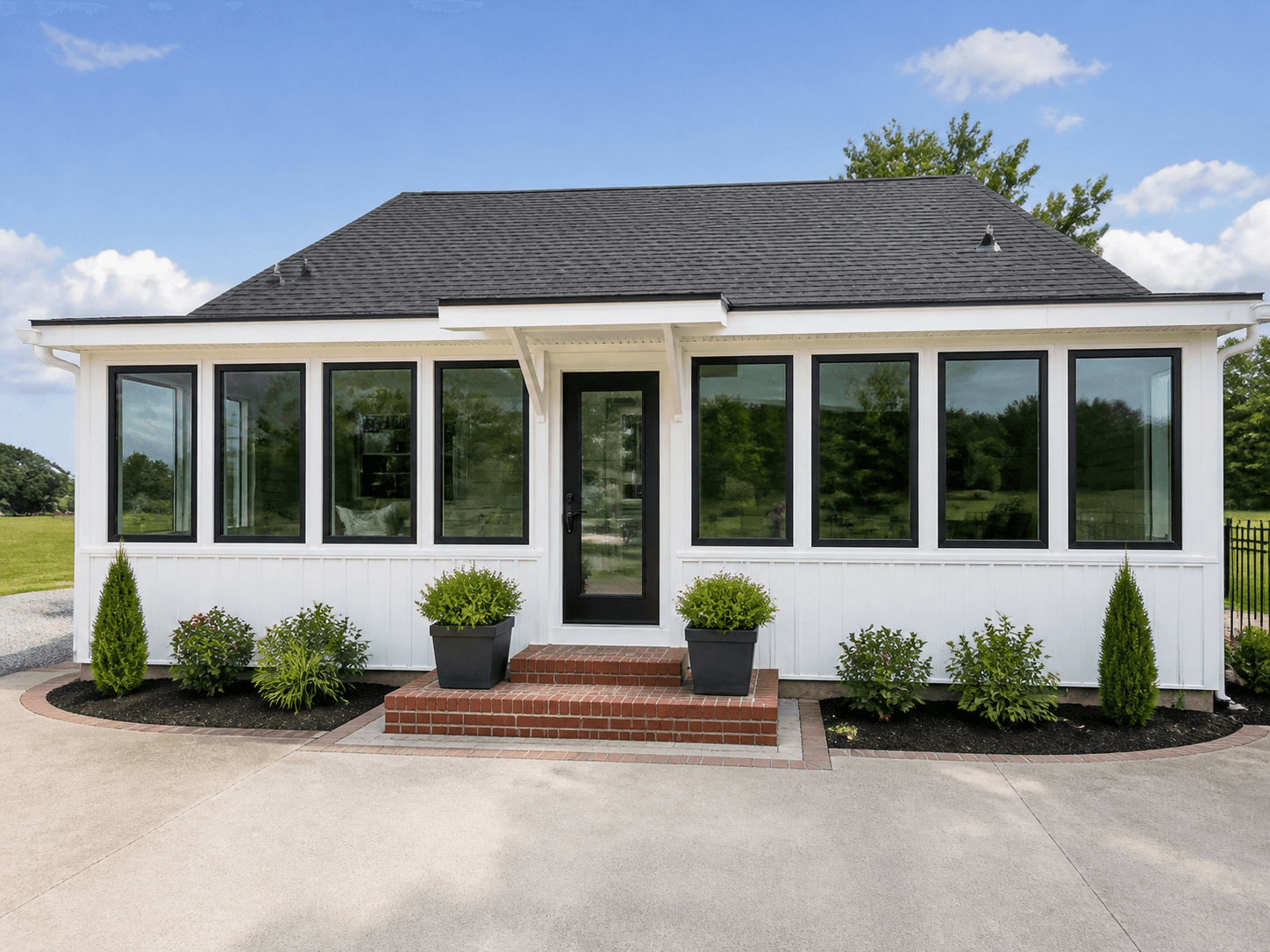
Windows and exterior
Sunroom Makeover
Rocky Mount, NC
The connection to the house is one of the most important details. If a deck uses a ledger board, water management and attachment should be taken seriously. Flashing should help keep water from getting behind the ledger and into the home. The deck should not trap moisture against siding, trim, doors, or framing. A strong deck should also protect the house it attaches to.
Posts and footings carry the weight of the deck into the ground. If posts are poorly placed, poorly connected, or sitting in conditions that stay wet, the structure can move or deteriorate. Around Wilson, Elm City, Lucama, Sims, Kenly, and Rocky Mount, soil and drainage conditions should be considered when planning posts, stairs, and landings.
Are railings part of deck structure?
Yes. Railings are a safety feature and should be securely attached to the deck framing. Wobbly railings are more than an annoyance. They can signal weak connections, poor blocking, or aging materials.
Why do deck stairs feel uneven or shaky?
Deck stairs may feel shaky because of weak stringers, poor landing support, inconsistent rise and run, loose treads, or railings that are not tied into solid framing. Stairs should be planned as part of the deck, not treated as an afterthought.
Fasteners and hardware are small pieces with a big job. Exterior-rated screws, bolts, joist hangers, structural connectors, and post bases should be appropriate for the materials used. Corrosion-resistant hardware matters in humid environments. The wrong fastener can loosen, stain the deck, or fail before the boards themselves wear out.
Board choice still matters, but boards cannot fix weak framing. Composite decking, pressure-treated decking, and porch flooring products all have installation requirements. Joist spacing, ventilation, hidden fastener systems, end gaps, picture-frame borders, and fascia details should be planned before installation begins.
Can I reuse old deck framing and just replace the boards?
Sometimes, but only after the framing is inspected. If joists, beams, posts, ledger connections, or stairs are damaged or undersized, replacing only the boards may hide a deeper problem. Re-decking works best when the structure below is sound.
Moisture control is a major part of deck comfort. Water should drain away from the home, off the deck surface, and around posts. Leaves and debris should not collect in tight gaps. Air should be able to move beneath the deck when possible. These details help the deck age better and feel cleaner to use.
A solid deck is not only safer. It changes how the outdoor space feels. Furniture sits better, stairs feel more comfortable, rails inspire confidence, and the deck becomes a place the family actually wants to use. If you are planning a deck or porch near Wilson, NC, ask about the structure before you fall in love with the surface board.
Discuss the next step
Explore STZ's deck and outdoor living work and request an estimate with your project location, priorities, and photos.
For related planning advice, read comparing deck materials.